
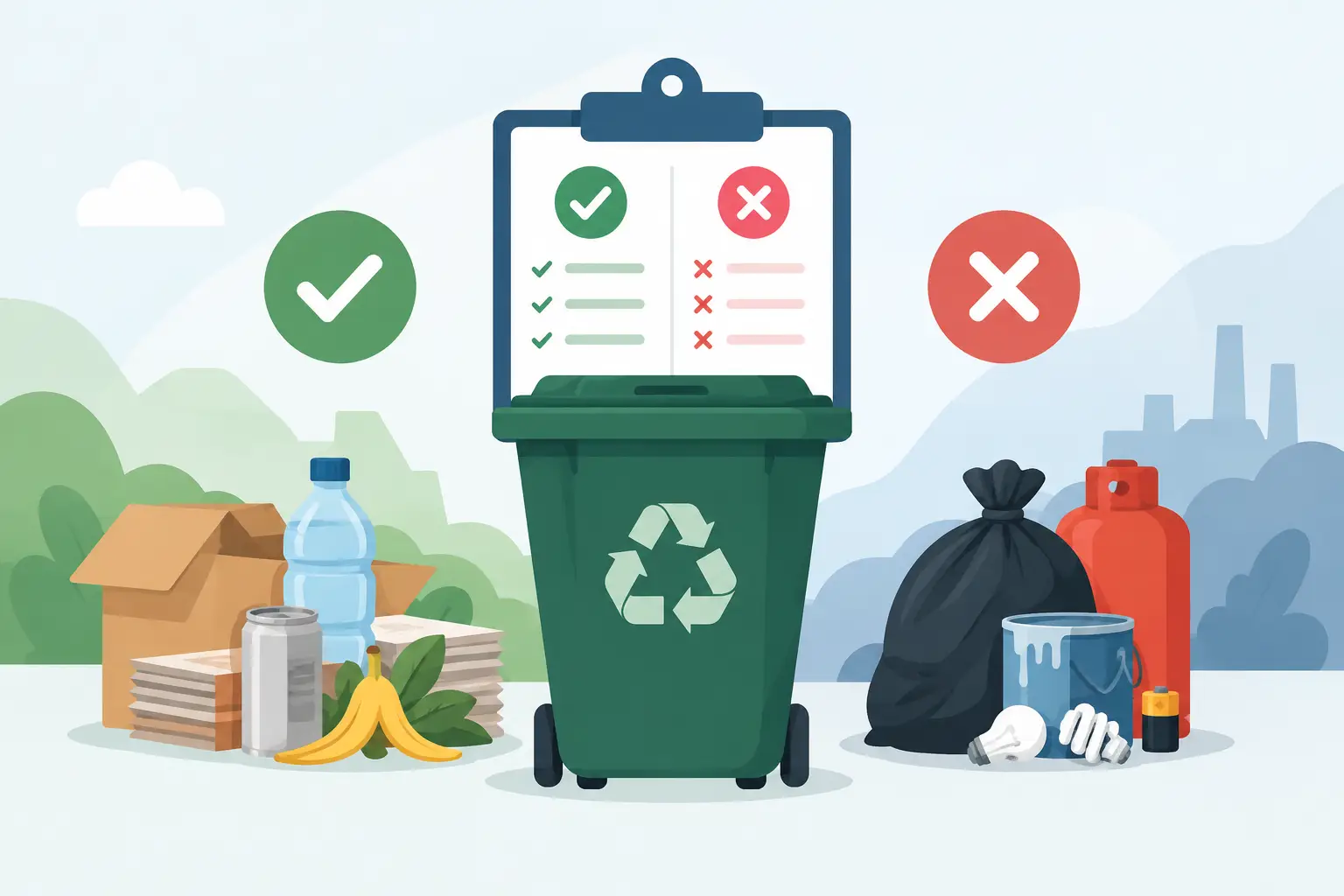
A waste exemption can appear to be the straightforward route for a small-scale recovery or treatment activity. In practice, waste exemptions only work where the operation matches every relevant condition, quantity limit and site requirement. A registration is not a general permission to receive, store or process waste outside those boundaries.
For waste operators, the risk is rarely in the name of the exemption. It is in the gap between the activity described when it was registered and what is actually happening on site. Changes in waste type, volume, storage time, treatment method or end use can quickly turn an exempt activity into one requiring an environmental permit.
What are waste exemptions?
Waste exemptions are regulatory provisions that allow certain low-risk waste activities to take place without a bespoke or standard rules environmental permit. They are intended for defined activities where the environmental risk is considered limited, provided the operator follows the stated conditions.
Exemptions can cover activities such as the use of suitable waste in construction, certain waste recovery operations, small-scale treatment, storage connected to an exempt activity, and the use of waste as fuel in tightly prescribed circumstances. Each exemption has its own purpose, waste restrictions, maximum quantities and operating conditions.
The detail matters. An exemption for using waste in a genuine construction project, for example, is not a licence to import material simply because it can be placed on land. The work must have a clear purpose, use only permitted waste types, meet any applicable quality requirements and remain within the exemption’s limits. If the material is being deposited rather than legitimately recovered, the activity may be classed as disposal and require a permit.
In England, registrations are generally made through the Environment Agency. The regulatory framework and registration process differ across the UK, including in Wales, Scotland and Northern Ireland. Operators working across borders should not assume that an exemption registered in one jurisdiction applies at another site.
Waste exemptions are conditional, not automatic
The first compliance test is whether the activity genuinely fits the exemption. This requires more than finding a broadly similar description in the regulations. The operator must be able to demonstrate that the waste stream, process, location, volumes and intended outcome all meet the relevant conditions.
A common issue arises where an activity begins within a modest operational scope but develops over time. A site may start by receiving one type of inert material for a defined engineering use, then accept additional materials, increase deliveries or retain stock for longer than intended. Each change may affect whether the exemption remains available.
The same applies to treatment. Sorting, screening, crushing, shredding, baling and blending can each have regulatory implications depending on the waste involved and the purpose of the activity. An operator should not rely on a simple description such as ‘recycling’ or ‘recovery’. Regulators will consider what is physically taking place, the material inputs, the controls in place and the destination of the outputs.
An exemption also does not remove wider legal duties. Waste must still be classified correctly, stored safely, transferred under appropriate documentation and managed in a way that prevents pollution. Duty of care obligations continue to apply. Planning controls, drainage arrangements, fire risk and nuisance issues can be relevant even where an environmental permit is not required.
The practical checks before relying on an exemption
Before registering or operating under an exemption, site management should establish exactly what activity is proposed and why an exemption is the right regulatory route. This should be documented rather than left as an informal operational assumption.
Start with the waste. Identify the European Waste Catalogue code, composition, source, likely contaminants and whether the material has been assessed appropriately. A waste code alone does not prove that a material is suitable for an exempt activity. The physical characteristics and the proposed use must also meet the conditions.
Next, consider the process. Record how the waste will arrive, where it will be unloaded, whether it will be stored, what handling or treatment will take place, and how the resulting material will be used or moved onward. This exercise often exposes activities that were not included in the original proposal, such as stockpiling, screening or mixing.
Then test the limits. Quantity thresholds may relate to daily, annual or total volumes, while storage may be limited by time, location or the purpose for which material is held. These figures need to be monitored through weighbridge records, delivery notes, stock records and site inspections. Without reliable records, it is difficult to demonstrate continued compliance.
Finally, consider whether a permit is the more suitable route. A standard rules permit may provide a clearer framework for a recurring waste operation, particularly where the site receives regular tonnages, undertakes treatment or stores material before onward recovery. A bespoke permit may be necessary where the activity, location or risks do not fit a standard set of rules.
When an environmental permit is likely to be needed
A permit should be considered where the proposed activity exceeds an exemption limit, involves waste types not covered by the exemption, or cannot meet every condition consistently. This is not necessarily a failure of the project. It is often the appropriate route for an established commercial operation.
Permitting is also likely to be needed where waste is stored before treatment or transfer on a scale beyond an exemption, where operations generate dust, odour, noise, runoff or fire risk requiring formal controls, or where a material has no clear and demonstrable recovery purpose.
The distinction between recovery and disposal is particularly important. A recovery operation must deliver a useful purpose in place of another material or resource. If a site is accepting waste principally to get rid of it, the regulator is unlikely to accept a recovery argument simply because the material has been moved, spread or reprofiled.
Operators should also be alert to the difference between waste status and product status. Processing material does not automatically mean it has ceased to be waste. Until the relevant legal tests are met, it should be managed as waste with the associated controls and documentation.
Managing compliance after registration
Registering an exemption is the start of the compliance task, not the end of it. Site procedures should translate the exemption conditions into clear operational controls that supervisors and operatives can apply on every shift.
For many businesses, this means maintaining an acceptance procedure that identifies permitted materials before unloading; keeping records of incoming and outgoing loads; checking stock volumes and storage areas; and retaining evidence of the end use or recovery route. Site plans should reflect the actual operating layout, including waste bays, quarantine areas, drainage features and fire access.
Training is equally important. A loader driver, weighbridge operative or site manager may make decisions that affect compliance before a compliance manager sees the paperwork. They need to understand which materials can be accepted, what should be rejected or quarantined, and when to escalate a query.
Where waste is stored outdoors or in larger stockpiles, fire prevention and pollution controls deserve particular attention. An exemption does not remove the need to prevent fires, contaminated runoff or off-site impacts. Poor housekeeping, excessive stockpiles and unclear separation arrangements can create both operational and regulatory problems.
Periodic internal reviews are useful where operations change frequently. Compare the registered exemption with the current waste acceptance list, actual tonnages, equipment in use and material destinations. If there is a mismatch, address it before it becomes an enforcement issue.
Getting the regulatory route right
Waste exemptions are valuable where they are used for the low-risk, clearly defined activities they were designed to cover. They can reduce unnecessary permitting burdens, but they are not a shortcut around environmental controls. The commercial pressure to accept another load or adapt a process must be balanced against the legal limits of the registration.
Where the position is unclear, obtaining advice before operations expand is usually less disruptive than correcting an unpermitted activity later. EWS Consultancy Services supports operators with exemption reviews, environmental permit applications, operational documentation and training designed to reflect the reality of how sites work.
The strongest approach is simple: make sure the paperwork, the site and the day-to-day operation all tell the same story. If they do not, it is time to review whether the exemption still fits.